


Blog Detail

Q195 vs Q235 Steel Wire for Nails: Which Steel Is Better for Nail Making?
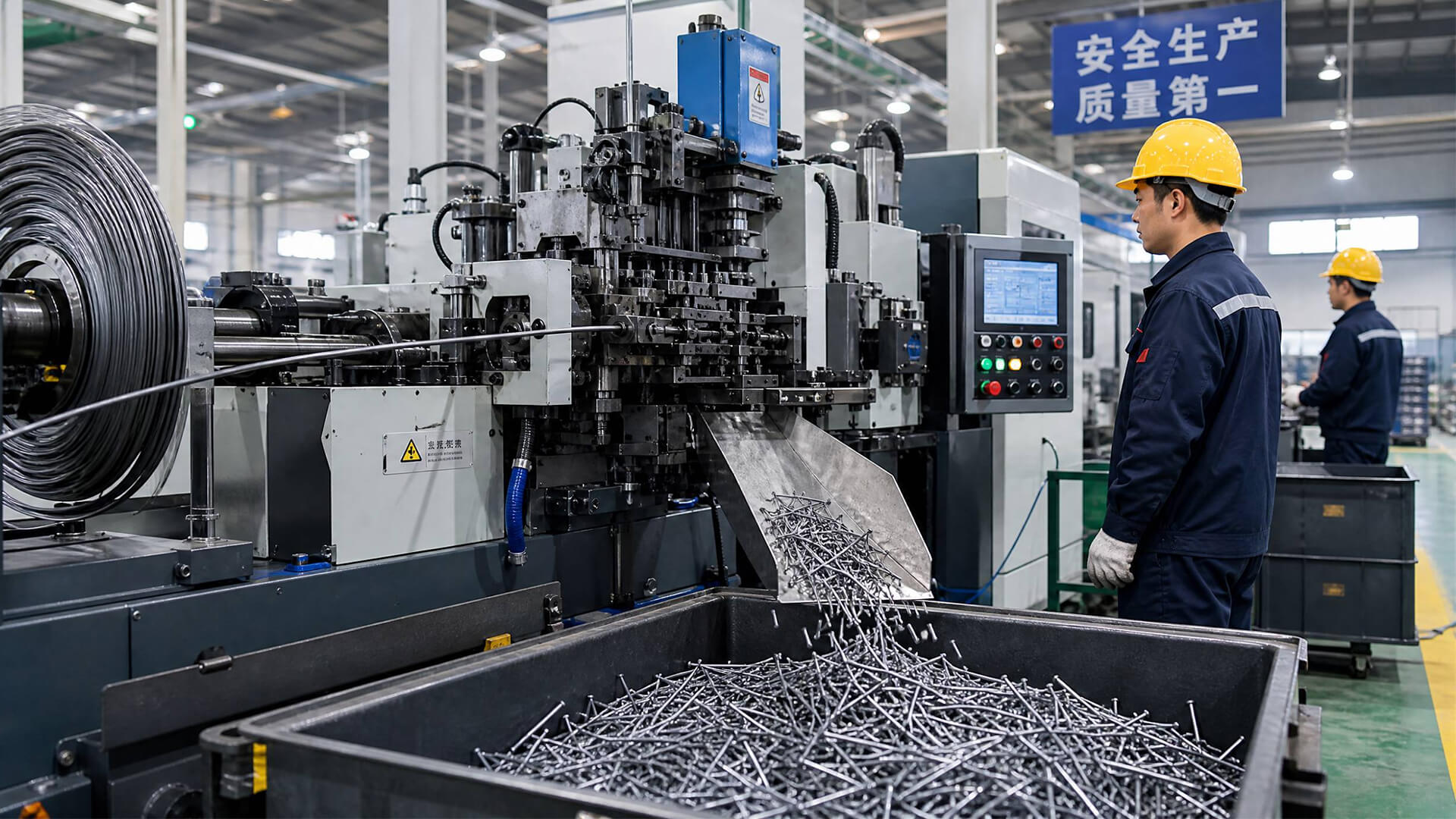
Choosing the correct steel wire is one of the first technical decisions when establishing a nail manufacturing factory.
Many investors ask:
Should I use Q195 or Q235 steel wire for nail production?
Both grades are commonly discussed in low-carbon steel applications, but they should not be treated as interchangeable materials for every nail production requirement.
The correct choice depends on:
Nail diameter
Nail length
Nail application
Required mechanical properties
Wire drawing process
Nail making machine
Raw material availability
Customer requirements
This guide explains the differences between Q195 and Q235 and how to evaluate steel wire before purchasing a nail making machine.
Quick Answer: Q195 or Q235 for Nail Making?
There is no universal answer that Q195 is always better than Q235.
In general, Q195 has a lower nominal strength level and can be a suitable choice where good formability is important.
Q235 has a higher nominal strength level and may be appropriate when the application requires different mechanical properties.
However, the steel grade alone does not determine whether the wire will run well on a nail making machine.
The actual wire condition, diameter, tolerance, surface condition and mechanical properties are also important.
Therefore:
Choose the steel specification according to the nail and production process, not simply according to the lowest material price.
1. What Are Q195 and Q235 Steel?
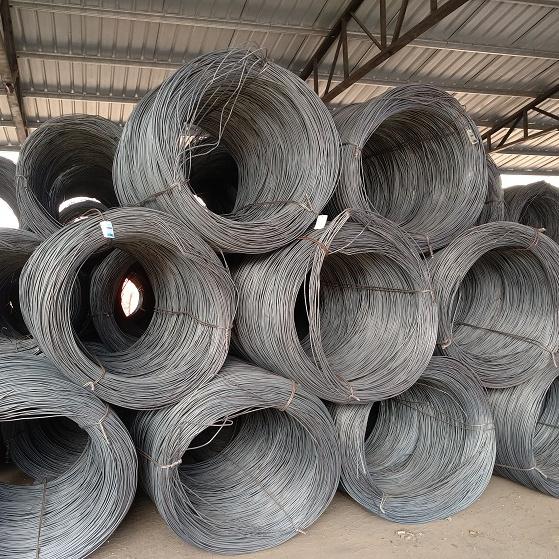
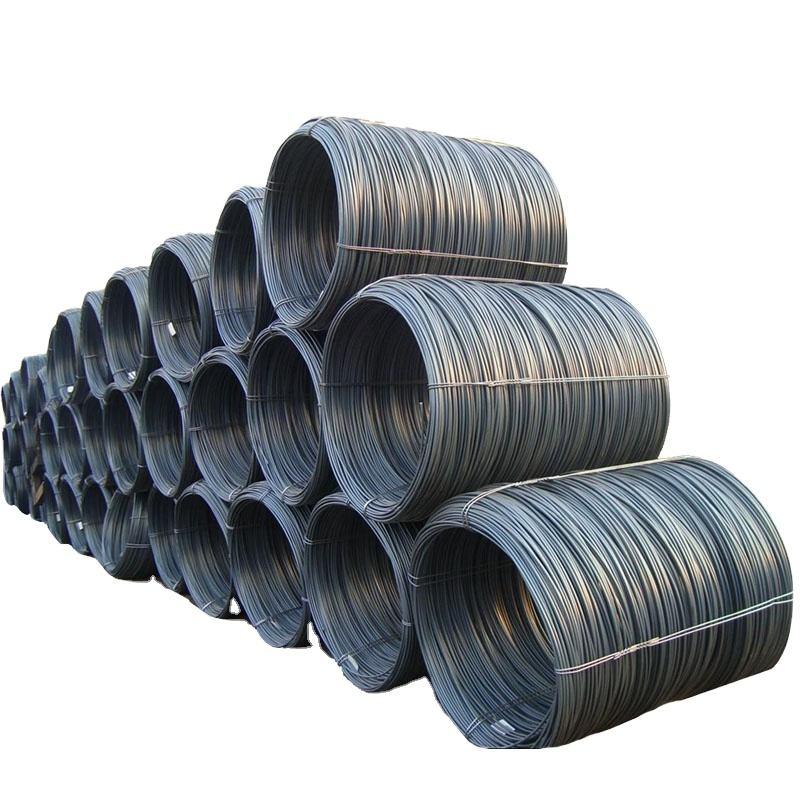
Q195 and Q235 are Chinese carbon structural steel grades covered by GB/T 700.
The "Q" designation refers to yield strength, while the number indicates the nominal yield-strength level used in the grade designation.
Q195 and Q235 therefore represent different nominal strength levels.
Under GB/T 700-2006, Q195 has a nominal yield-strength level of 195 MPa, while Q235 has a nominal yield-strength level of 235 MPa for the applicable thickness range. The standard also specifies different chemical-composition requirements for the grades.
For nail manufacturing, however, the factory should not select wire based only on the nominal grade.
The actual wire supplied to the factory should be checked against the agreed specification and supplier material certificate.
2. Q195 vs Q235: Basic Comparison
Factor | Q195 | Q235 |
|---|---|---|
Nominal yield-strength level | 195 MPa | 235 MPa |
General strength level | Lower | Higher |
Formability consideration | Generally favorable | Depends on product condition |
Nail production suitability | Suitable for some common applications | Suitable for some common applications |
Wire drawing | Depends on wire condition | Depends on wire condition |
Final selection | Based on nail requirements | Based on nail requirements |
The table above is a general comparison rather than a universal nail-material specification.
The actual wire should be evaluated according to the required product standard and supplier documentation.
3. Is Q195 Good for Nail Making?
Q195 is commonly considered when good formability is important.
This can be useful during processes such as:
Wire drawing
Cutting
Nail head forming
Nail point forming
For many common wire nail applications, a suitable low-carbon wire can provide the workability required for stable production.
However, the final suitability depends on the actual wire condition.
A factory should confirm:
Wire diameter
Diameter tolerance
Surface quality
Mechanical properties
Therefore, simply asking a supplier for "Q195 wire" is not always enough.
4. Is Q235 Good for Nail Making?
Q235 has a higher nominal strength level than Q195 under the relevant GB/T 700 grade designation.
It can therefore be suitable for applications where different strength characteristics are required.
However, higher nominal strength does not automatically mean better nail production.
For high-speed nail manufacturing, the wire must also be suitable for:
Feeding
Drawing
Cutting
Heading
Point forming
The actual wire condition can have a significant effect on machine performance.
Therefore, Q235 should be evaluated according to the specific nail application rather than selected simply because it has a higher strength designation.
5. Which Is Better: Q195 or Q235?
The better question is:
Which steel wire specification is suitable for my nail?
For example, a factory producing standard common nails may prioritize:
Good formability
Stable wire diameter
Reliable feeding
Consistent nail head forming
Stable nail point forming
Another manufacturer may have customer requirements that require different mechanical properties.
Therefore, the correct decision should consider:
Nail specification + material requirements + wire drawing process + machine compatibility
rather than:
Q195 = good / Q235 = bad
or:
Q235 = stronger / therefore always better
6. Does Nail Diameter Affect Steel Selection?
Yes.
Nail diameter is an important factor when selecting wire.
For example:
1.8–2.5 mm nail wire
has different production requirements from:
4.0–5.0 mm nail wire.
Small-diameter wire requires good dimensional control and stable feeding.
Larger wire may require different drawing and nail making equipment.
The nail making machine must therefore be selected according to the finished nail diameter.
For example, JINGU's current high-speed models cover different nail diameter ranges:
Model | Nail Diameter | Nail Length | Maximum Speed |
|---|---|---|---|
JG-D70 | 1.8–2.5 mm | 25–70 mm | 850 pcs/min |
JG-D90 | 1.8–3.5 mm | 40–90 mm | 800 pcs/min |
JG-D130 | <4.5 mm | 75–130 mm | 550 pcs/min |
JG-D160 | <5.5 mm | 130–160 mm | 450 pcs/min |
These are machine specifications and should be matched with the actual nail size and production requirement.
7. What Wire Diameter Do I Need for Nail Making?
The required nail wire diameter is normally closely related to the finished nail shank diameter.
For example:
2.5 mm nail
requires appropriately prepared wire around the required production diameter.
The exact tolerance and wire specification should be confirmed according to the machine, tooling and production process.
If the factory purchases larger wire rod, wire drawing can be used to reduce the diameter.
A simplified process is:
6.5 mm Steel Wire Rod
↓
Wire Drawing
↓
2.5 mm Nail Wire
↓
Nail Making
↓
2.5 × 50 mm Nail
The actual drawing route depends on the starting material and target wire diameter.
8. Why Is Wire Drawing Important?
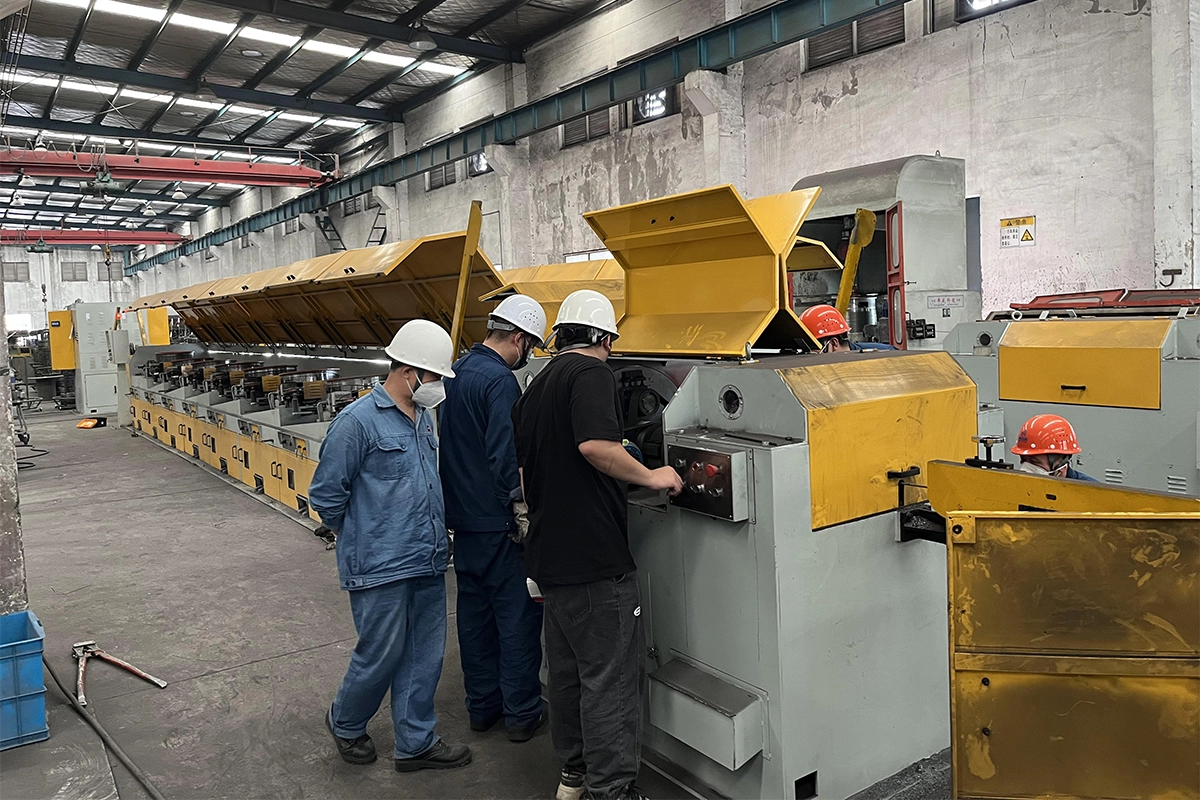
Wire drawing is more than simply reducing wire diameter.
A stable drawing process helps control:
Diameter
Diameter tolerance
Surface condition
Wire consistency
Production stability
If wire diameter is inconsistent, the nail making machine may experience:
Feeding problems
Inconsistent nail length
Poor nail heads
Increased defective products
More frequent adjustments
This is why:
Good nail production starts with suitable and consistent nail wire.
JINGU's LZ-8/560 straight-line wire drawing machine is designed for processing raw rod into low-carbon Q195/Q235 steel wire for applications including round nails.
9. Can I Buy Finished Nail Wire?
Yes.
There are two common approaches.
Option 1: Buy Finished Nail Wire
The factory purchases wire that is already close to the required nail diameter.
Advantages
Lower initial equipment investment
Simpler production process
Faster factory startup
Less equipment to maintain
Disadvantages
Dependence on suppliers
Less control over wire preparation
Finished wire price may be higher
Availability may vary by market
This approach can be practical for smaller factories or businesses that want to start nail production quickly.
10. Option 2: Draw Nail Wire In-House
The factory purchases larger-diameter wire rod and uses a wire drawing machine.
Advantages
Greater control over wire diameter
Better control over raw material preparation
Suitable for larger production
More flexibility for different nail sizes
Disadvantages
Higher initial investment
Additional equipment
Additional maintenance
Additional operator requirements
For larger nail manufacturing projects, integrating wire drawing with nail making can create a more complete production system.
11. What Should I Check When Buying Nail Wire?
Before purchasing wire for nail production, confirm the following.
1. Steel Grade
Confirm whether the wire is Q195, Q235 or another specified grade.
2. Wire Diameter
Check the actual diameter and tolerance.
3. Surface Condition
The wire surface should be suitable for the intended drawing and nail production process.
4. Mechanical Properties
Request the relevant material certificate and mechanical-property information.
5. Chemical Composition
Confirm that the material meets the agreed specification.
6. Coil Weight
Check the weight and dimensions of each coil.
7. Supplier Consistency
The same grade from different suppliers may still differ in actual product condition.
For large-scale production, consistent raw material supply is important.
12. How to Match Wire Drawing and Nail Making Machines
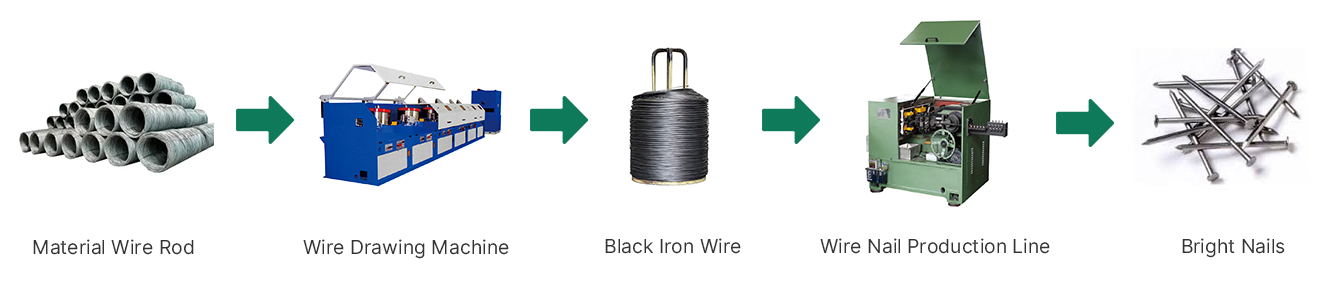
A common mistake is to purchase the nail making machine first and then search for suitable wire.
A better approach is:
Raw Material
↓
Wire Drawing
↓
Nail Making
↓
Polishing
↓
Packaging
The wire drawing machine should be capable of producing the wire required by the nail making machine.
For example:
Input: 6.5 mm wire rod
↓
Drawing: Multiple passes
↓
Output: Required nail wire diameter
↓
Nail Making: Selected according to nail diameter and length
The exact drawing configuration should be determined by the raw material and required output.
13. Q195 vs Q235: What Should a New Nail Factory Choose?
For a new factory, the safest approach is not to choose a steel grade first.
Instead, determine:
Step 1
What nail will you produce?
Example:
2.5 × 50 mm common nails
Step 2
What mechanical properties are required?
Step 3
What raw material is available locally?
Step 4
What wire diameter can your local supplier provide?
Step 5
Will you buy finished nail wire or perform wire drawing?
Step 6
Which nail making machine matches the finished nail?
This process reduces the risk of purchasing equipment that does not match the available raw material.
14. What If I Don't Know Whether Q195 or Q235 Is Available Locally?
This is common when setting up a new nail factory.
Before purchasing equipment, ask local steel suppliers for:
Available steel grades
Wire rod diameter
Finished wire diameter
Price per ton
Coil weight
Material certificate
Chemical composition
Mechanical properties
Monthly supply capacity
Then provide this information to the nail machine manufacturer.
The machine configuration can then be evaluated based on actual local material availability.
15. Q195/Q235 and JINGU Nail Making Machines
JINGU's nail making machine range is designed for different nail diameter and length requirements.
The company's general JG-D nail machine information states compatibility with Q195 and Q235 low-carbon steel wire, with the applicable wire diameter and nail dimensions depending on the machine configuration.
For high-speed production, the specific machine should be selected according to:
Nail diameter
Nail length
Nail type
Production target
Raw wire diameter
Steel grade
Working hours
This is why JINGU recommends confirming the nail specifications and raw material before final machine selection.
16. Recommended Nail Production Workflow
For a factory producing common wire nails, a typical process is:
Step 1 — Steel Wire Rod
Purchase suitable low-carbon steel wire rod.
↓
Step 2 — Wire Drawing
Reduce the wire to the required diameter.
↓
Step 3 — Nail Making
Feed the prepared wire into the nail making machine.
↓
Step 4 — Nail Polishing
Clean the finished nails and improve their appearance.
↓
Step 5 — Packaging
Pack according to customer and market requirements.
This complete process is also described in JINGU's nail manufacturing business guide.
Frequently Asked Questions
Is Q195 better than Q235 for nails?
Not necessarily. Q195 has a lower nominal strength level and can be suitable where good formability is important. Q235 has a higher nominal strength level. The correct material depends on the nail application and production requirements.
Can Q235 be used for nail making?
Yes, Q235 steel wire can be suitable for certain nail production applications when the actual wire specification meets the production requirements.
What is the best steel for nail making?
There is no single best steel for every nail. The correct material depends on nail diameter, nail length, application, required properties and production process.
What wire diameter is needed for nail making?
The required wire diameter generally corresponds closely to the nail shank diameter, but the actual tolerance and wire specification should be confirmed according to the nail machine and production process.
Do I need a wire drawing machine?
If you purchase larger-diameter wire rod and need to reduce it to the diameter required for nail production, a wire drawing machine is normally required.
Can I buy finished nail wire?
Yes. Smaller factories may choose to purchase finished nail wire, while larger factories may benefit from producing suitable nail wire in-house.
Should I choose Q195 or Q235 based on price?
No. Material price should be evaluated together with wire quality, production stability, material utilization and the requirements of the finished nail.
How to Choose the Right Wire and Nail Making Machine
Planning a new nail manufacturing factory?
Send us:
Steel Grade:
Raw Wire Diameter:
Nail Diameter:
Nail Length:
Nail Type:
Target Production:
Working Hours:
JINGU can help evaluate the suitable wire drawing and nail making configuration for your project.
The right production line starts with the right raw material.
Related Blogs
-
 Q195 vs Q235 Steel Wire for Nails: Which Steel Is Better for Nail Making?Choosing the correct steel wire is one of the first technical decisions when establishing a nail manufacturing factory.Many investors ask:Should I use Q195 or Q235 steel wire for nail production?Both grades are commonly discuss
 -
 Nail Manufacturing Cost per Ton: Wire, Electricity, Labor & Machine CostsStarting a nail manufacturing business is not simply about buying a nail making machine.For investors planning a new nail factory, one of the most important questions is:How much does it cost to manufacture one ton of nails?The
 -
 When choosing a nail making machine, one of the most important questions is:How many nails can the machine produce per hour?However, nail production capacity cannot be judged only by the machine's maximum speed.A complete production calculation should consider:Machine speed in pcs/minNail diameterNa
 -
 Nail Making Machine Buying Guide 2026: How to Choose the Right Machine for Your FactoryChoosing the right nail making machine is one of the most important decisions when starting or expanding a nail manufacturing business.Many investors make the mistake of selecting a machine only based on price or


